


Sign up your TY group today!
Hit “Get started” to send us your booking enquiry, and we'll get you set up within 24 hours!
.avif)
.avif)
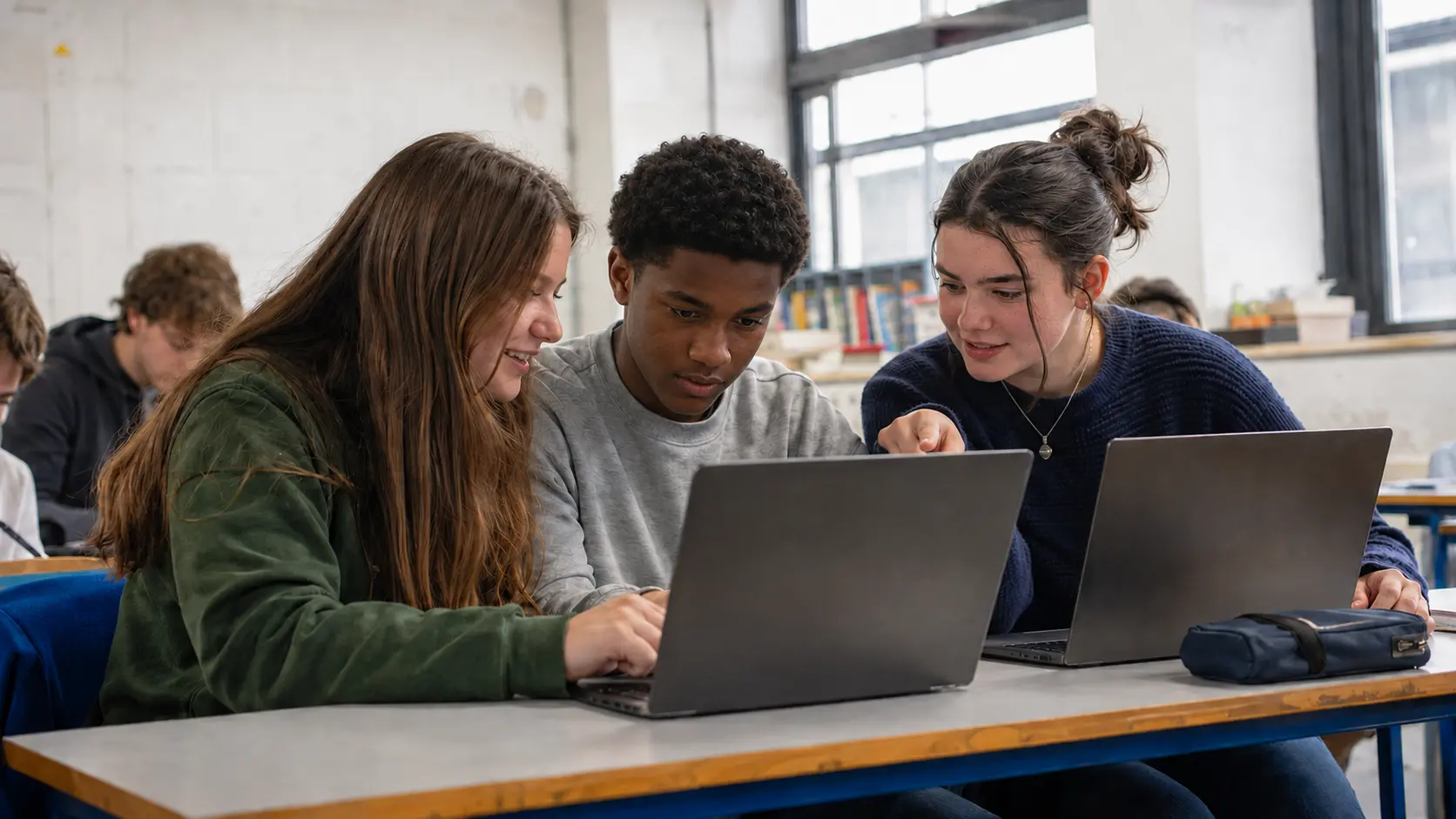
Transition Year is a chance to explore subjects, skills and careers that students may not encounter during a typical school week. It creates space to discover new interests, build practical knowledge and think more clearly about what might come next.
The TY Online Courses library gives students 30 self-directed courses across career exploration, technology, enterprise, health, wellbeing, culture and practical life skills. Schools receive all-inclusive access, so students can start with whatever interests them and continue exploring throughout the year.
There is no single correct place to begin. Some students want to understand a possible career, while others want to build a practical skill or explore a subject that affects everyday life. The complete library includes:
Students do not have to choose only one. They can use these categories as a starting point, complete a course and then follow their curiosity into another part of the library.
The Day in the Life Career Series gives students a realistic view of what different careers actually involve. Through AI-powered video and workplace scenarios, students step inside a typical working day, explore common tasks and environments, and understand the skills, responsibilities and routes connected to each profession.
Rather than asking students to choose one career, the series helps them compare possibilities, challenge assumptions and build a clearer picture of the working world before making future subject, course or work-experience decisions.
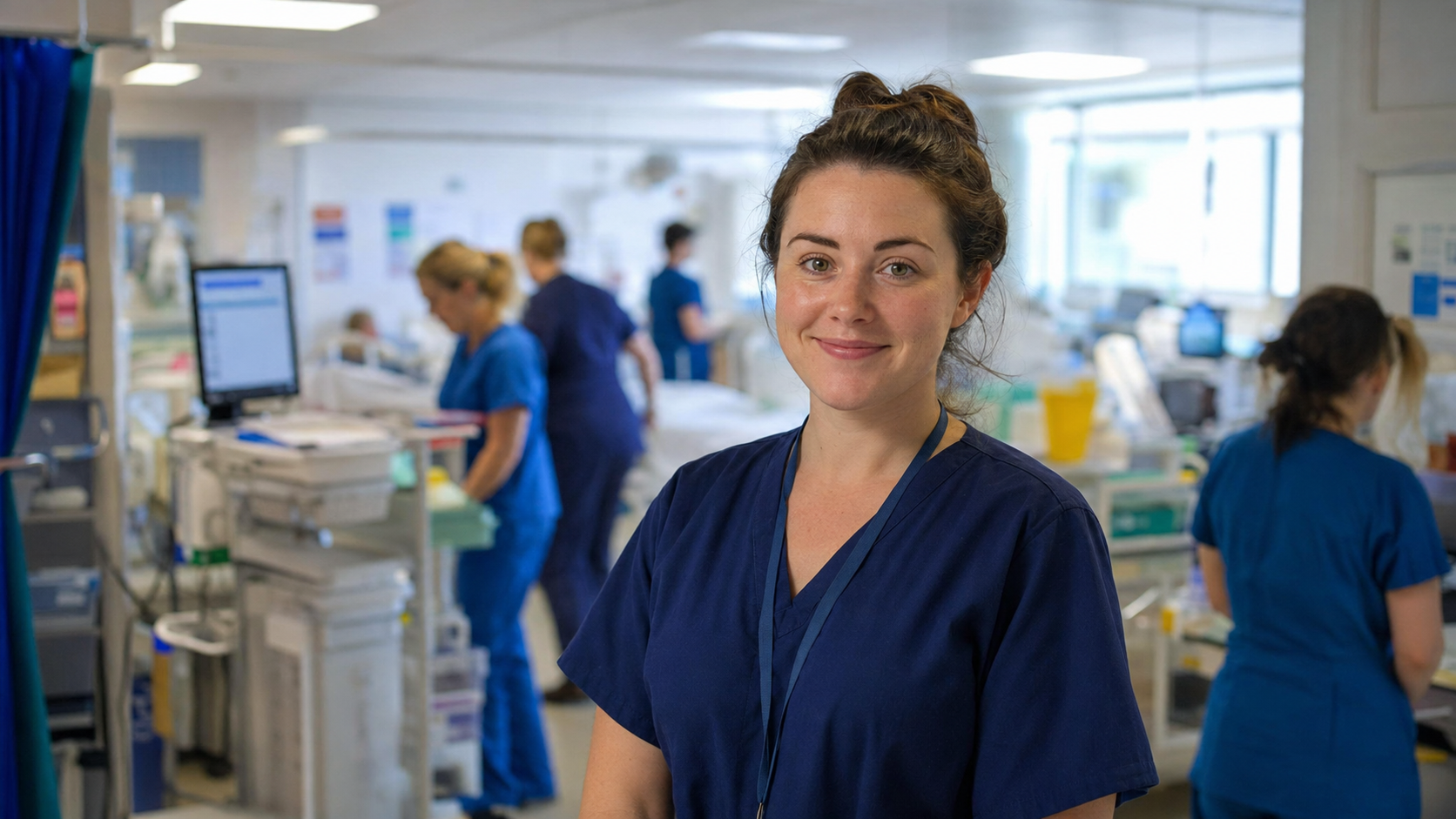
This course follows the pace and responsibilities of a hospital nurse. Students explore morning handovers, patient care, collaboration with doctors and the balance of teamwork, responsibility and compassion involved in healthcare. It gives them a clearer picture of the decisions nurses make throughout a shift and the personal qualities needed to support patients well.
This course introduces students to dispensing medicines, advising patients and working alongside other healthcare professionals. It shows how pharmacists combine scientific knowledge, careful decision-making, safety and direct patient care. Students also see why accuracy, communication and trust are essential in a role that connects medical expertise with everyday support for the public.
This course explores how physiotherapists assess injuries, support rehabilitation and help people improve their movement and recovery. Students learn about different working environments and the education pathway into physiotherapy in Ireland. They also see how scientific knowledge, observation, communication and patient motivation come together when building a practical recovery plan.
This course explores how social workers support individuals and families facing difficult circumstances. It offers insight into a career where empathy, resilience, communication and practical problem-solving all play an important role. Students gain a more realistic understanding of how social workers assess needs, coordinate support and make considered decisions in complex situations.
This course takes students through client consultations, workout planning and practical training sessions. It shows the energy, expertise and people skills required to work in a gym, support sports teams or build an independent fitness business. Students also explore how personal trainers adapt their approach to different goals, abilities and levels of confidence.
This course follows a primary teacher through lesson preparation, classroom management and student support. Students see both the rewarding and demanding aspects of helping children learn while managing a busy school day. It also highlights the creativity, organisation, patience and communication required to respond to different learning needs within one classroom.
This course gives students a practical introduction to careers connected to artificial intelligence. It explores how AI is used in organisations, the types of jobs emerging within the field, the skills that matter and realistic routes into the industry. Students see that working with AI involves curiosity, problem-solving and responsible decision-making as well as technical knowledge.
This course steps into the fast-moving world of digital security. Students discover how specialists protect information, investigate risks, prevent attacks and help organisations stay secure. It introduces the analytical thinking, attention to detail and continuous learning needed in a field where technology and potential threats are constantly changing.
This course looks beyond classroom definitions of engineering. Students see how engineers develop ideas, design solutions, test their work and solve practical problems using creativity, mathematics and technical thinking. It helps them understand how a project moves from an initial challenge to a workable solution and why collaboration is central to the process.
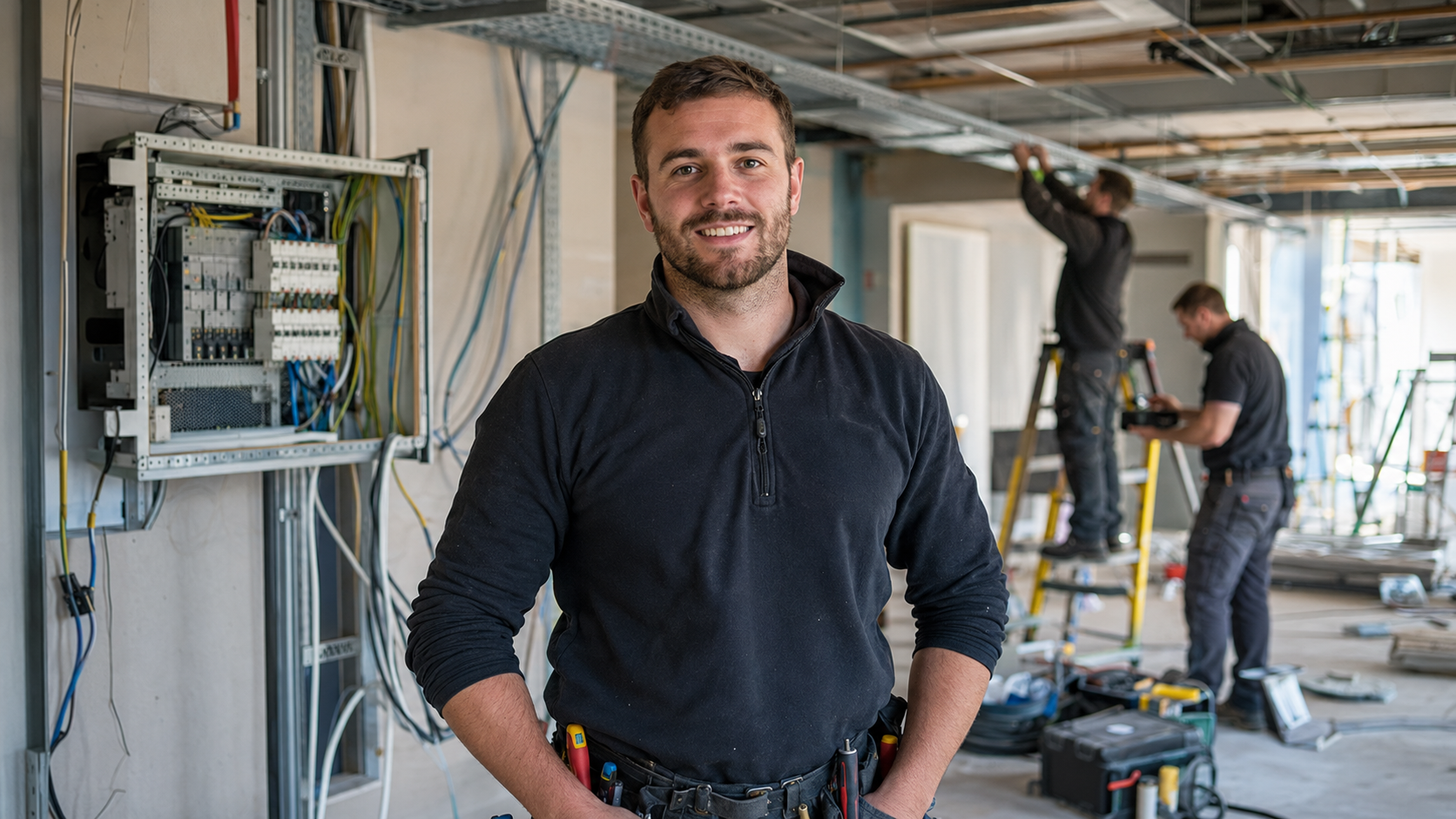
This course follows both a qualified electrician and an apprentice. It covers tools, safety, installations, fault finding, self-employment and the training route, providing a realistic view of the hands-on and problem-solving sides of the trade. Students also see how precision, responsibility and evolving technology shape the work carried out on different sites.
This course brings students into the garage to see how vehicles are diagnosed, repaired and maintained. It demonstrates how modern mechanics combine traditional practical skills with evolving vehicle technology. Students gain insight into the logical process behind fault finding and the importance of safety, accuracy and clear communication with customers.
This course explores how environmental goals are turned into practical business decisions. Students see how sustainability professionals help organisations reduce waste, lower emissions and plan for a more responsible future. It also shows how research, measurement, communication and long-term thinking are used to balance environmental priorities with real operational needs.

This course follows a recent graduate beginning a corporate career. Meetings, project work and everyday problem-solving show students how a business degree can lead to many different roles and industries. It provides a realistic view of adapting to professional life, contributing to a team and developing confidence through varied responsibilities.
This course shows how marketers develop social media campaigns, respond to trends and shape online strategies. It highlights the mix of creativity, communication and analysis involved in promoting organisations and brands online. Students also see how ideas are planned, tested and improved using audience insight and campaign performance.
This course introduces students to preparing cases, meeting clients and interpreting the law. It provides an accessible view of the research, communication, judgement and attention to detail required in legal work. Students gain a clearer understanding of how legal professionals organise information, explain complex issues and support clients through important decisions.
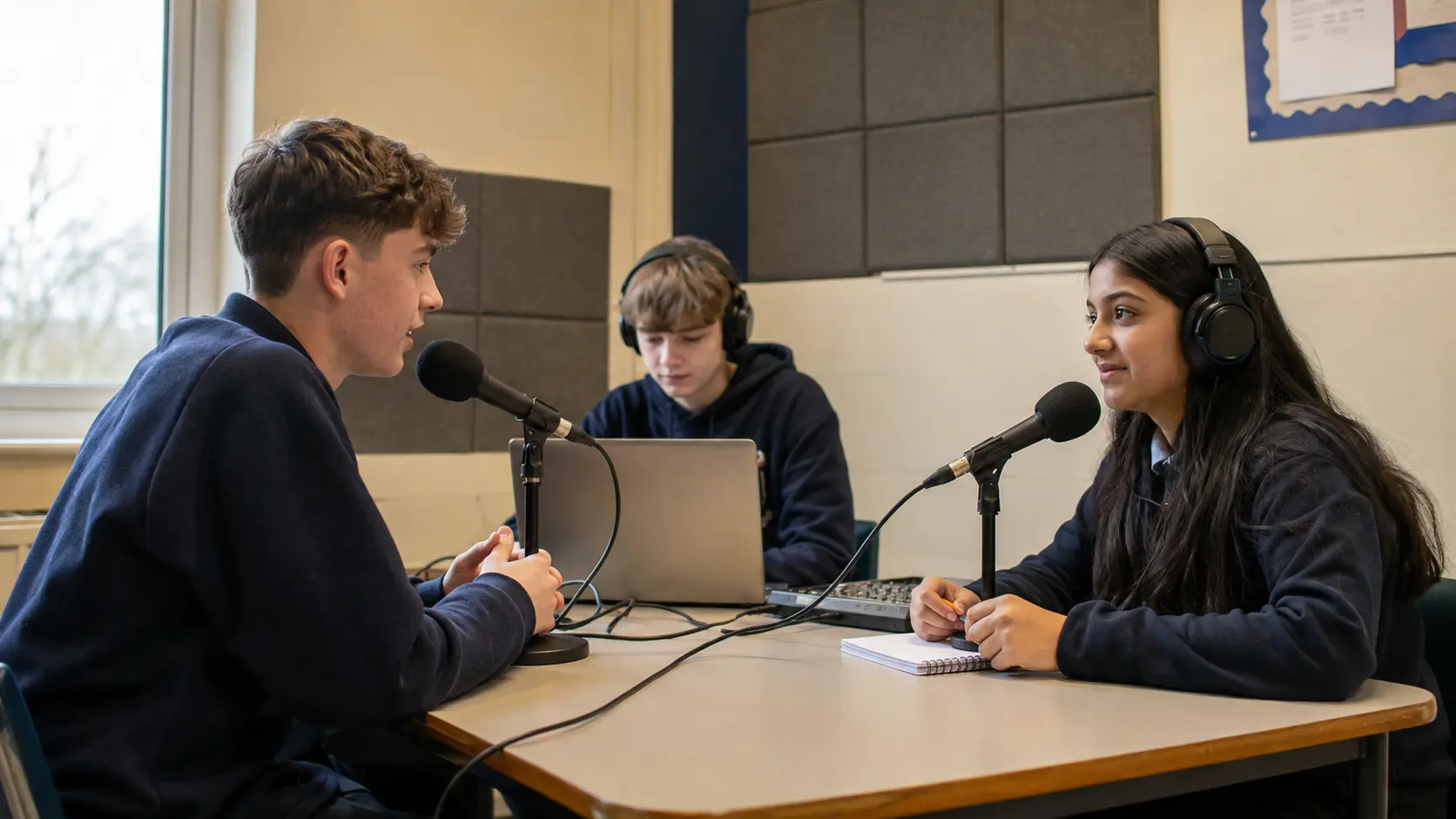
This course introduces the full process of creating a podcast. Students learn how to develop an idea, plan episodes, record and edit audio, and publish something they can share with an audience.
It is a useful starting point for students interested in storytelling, media, communication or developing a creative TY project. By the end, they will understand the practical steps involved in turning a simple concept into a structured piece of audio content.
This course takes students through the fundamentals of starting an online business. It covers e-commerce platforms, storefront setup, product photography, descriptions, pricing, payment systems, branding, marketing and customer service. Students interested in enterprise can use the course to understand how an idea becomes an online store and what is required to attract and retain customers. It also encourages them to think about the complete customer experience, not simply the product being sold.
This course helps students improve how they manage time, study and organise their workload. It introduces goal setting, prioritisation, active recall, spaced repetition, time blocking and the Pomodoro Technique, while also addressing distraction, stress and burnout. These skills can support students throughout Transition Year and become even more valuable as they move into Senior Cycle. Students can experiment with different approaches and identify a realistic system that works for them.
This course is designed for students preparing to enter the workplace. It explains common hospitality roles and responsibilities before guiding students through CV writing, cover letters, job searches, applications and interview preparation. Although the examples focus on hospitality, many of the core lessons can help students approach any first job search with greater confidence. The course helps them understand what employers look for and how to present limited experience positively and honestly.
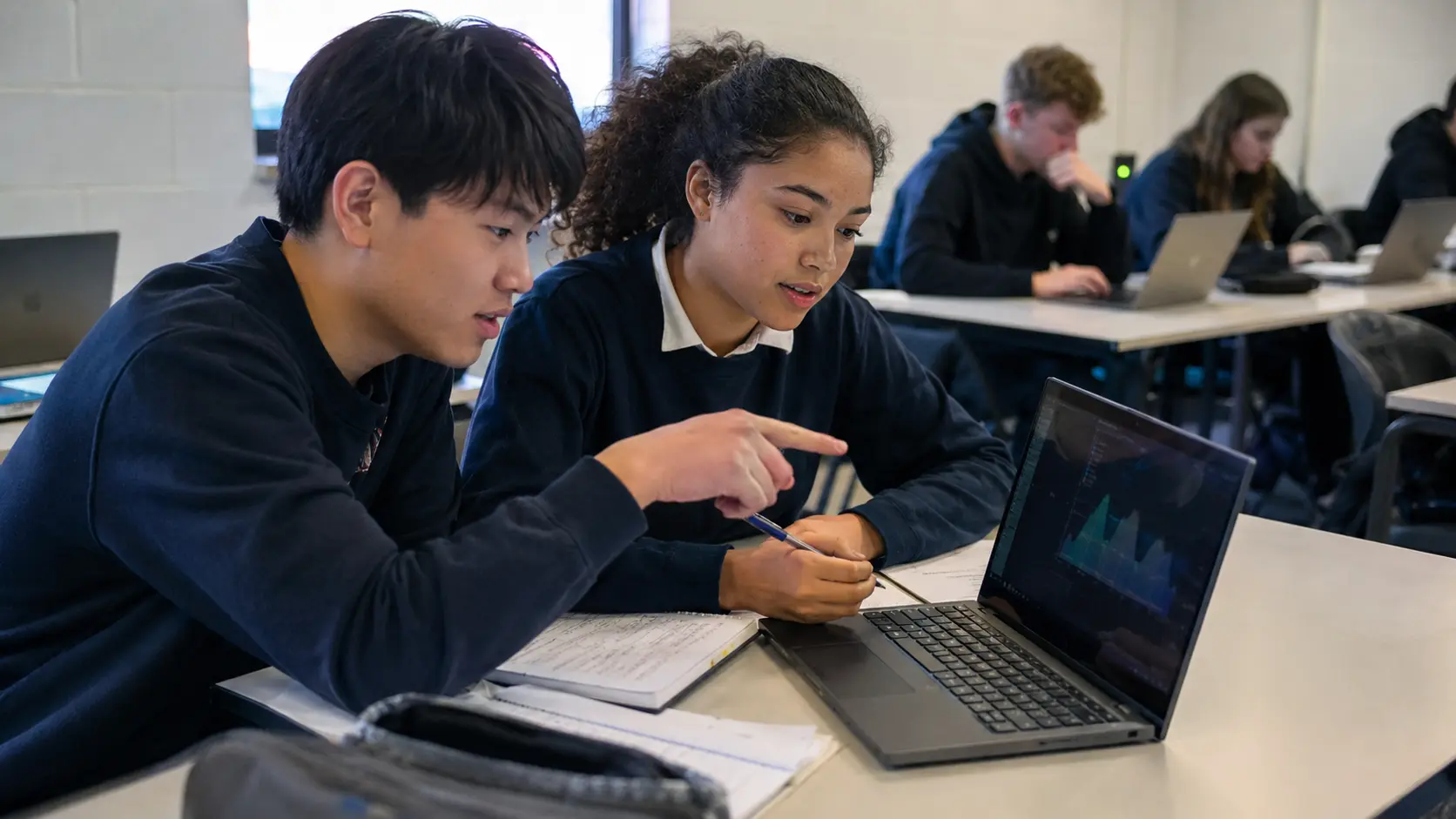
This course provides a foundation in artificial intelligence, including what it can do and how it is influencing the world around us. It is a useful introduction for students who regularly hear about AI but want a clearer understanding of the technology and its wider impact. Students can follow it with A Day in the Life: AI Specialist to connect the technology itself with possible future careers. It also gives them a stronger basis for questioning how and when AI should be used responsibly.
This course demystifies digital currencies and explains how they work, where they came from and why they matter. Students gain a foundation for understanding a subject that often appears in news, finance and online conversations. They also learn the key ideas and terminology needed to approach claims about cryptocurrency with greater confidence and critical awareness.
This course examines the effect social platforms can have on psychology, behaviour and wellbeing. Students explore algorithms, dopamine, online communities, fake news, echo chambers and healthier approaches to social media use. It encourages students to understand the systems influencing their online experience and make more informed choices about how they engage with them. The aim is not to reject social media, but to use it with greater awareness and control.
This course explores why we sleep, how sleep cycles and circadian rhythms work, and what can improve or disrupt the quality of our rest. Students also learn about sleep deprivation and practical techniques that may support better sleep. For students balancing school, activities, devices and changing routines, it provides useful context for understanding why rest matters. It helps them connect the science of sleep with everyday habits they can evaluate for themselves.
This course uses ideas from psychology and scientific research to examine what contributes to genuine happiness and contentment. Students question common assumptions about happiness and reflect on the habits, experiences and relationships that influence wellbeing. It creates space to consider which factors are within their control and how small, realistic choices may support a more satisfying daily life.
This course helps students separate reliable nutrition information from popular myths. It encourages a more informed understanding of food, health and the claims students regularly encounter online and in everyday life. Students develop a stronger basis for questioning oversimplified advice and recognising why credible evidence and context matter when discussing nutrition.
This course builds awareness of how concussions happen, how to recognise them and why appropriate management and recovery matter. It is particularly relevant for students involved in sport, but the knowledge is valuable for anyone who wants to understand brain injury and safety more clearly. Students finish with a better understanding of why symptoms should be taken seriously and never hidden.
This course takes students on a concise journey through Irish history, from ancient origins to modern society. It introduces key events and influences that have shaped Ireland’s culture, identity and development over time. Students gain a clearer sense of how different periods connect and why historical decisions continue to influence contemporary Ireland.
This course traces the evolution of clothing and style from ancient societies to the modern fashion industry. Students encounter unusual trends, changing social influences and the historical ideas that continue to shape how people dress. It helps them view fashion as more than appearance by exploring its links with identity, technology, culture and social change.
This course examines the origins and cultural impact of wrestling, soccer, boxing, Gaelic football, hurling and camogie. It explores how rules, traditions and major historical moments shaped the sports people follow and play today. Students gain a broader understanding of how sport evolves alongside communities, national identity, media and society.
This course explains the difference between climate and weather before examining greenhouse gases, carbon cycles and the human activities contributing to climate change. Students explore effects including extreme weather, rising sea levels and biodiversity loss, along with actions being taken by governments, international organisations and individuals. It finishes by helping students consider practical ways they can contribute to a more sustainable future. The emphasis is on building informed awareness and showing how collective policy, organisational change and individual choices can all play a role.
Students receive access to every course, so these are not fixed programmes or bundles. They are simply possible starting points for exploring related interests across the library.
The best Transition Year courses are not necessarily the ones that tell every student to follow the same path. They give students room to explore, think independently and connect learning to their own lives.
When considering online courses for a TY programme, it helps to look for several qualities:
Because access includes all 30 courses, schools can use the library in different ways throughout the year.
TY students can explore courses covering careers, technology, business, practical skills, health, wellbeing, culture, sport and the environment. TY Online Courses currently provides 30 self-directed courses, including 15 career experiences within the Day in the Life series.
No. Schools receive all-inclusive access to the complete TY Online Courses library. Students can start with the subjects that interest them most and continue completing other courses throughout their access period.
The best course depends on what a student wants to explore. A student considering healthcare may begin with Nurse or Physiotherapist, while someone interested in technology might start with What Is AI? or Cybersecurity Specialist. Because every course is included, students can explore several areas rather than making one final choice.
Yes. Students can work through the courses independently, allowing schools to incorporate them into different timetables, learning sessions and TY activities.
Yes. That is one of the main purposes of the Day in the Life Careers Series. Students can compare realistic tasks, environments and pathways without needing to commit to a particular profession.
Yes. The library is created specifically for Transition Year students and Irish secondary schools. Career content can also include pathways and working contexts relevant to students in Ireland.
Schools can submit a group sign-up enquiry. Once access is arranged, students can create their accounts and begin exploring the complete course library.
No two Transition Year students have exactly the same interests, questions or plans. A varied course library gives them the freedom to explore what matters to them while continuing to discover subjects they may never have considered before.
With all-inclusive access to 30 online Transition Year courses, students can investigate future careers, develop useful skills and build a broader understanding of the world around them, all within one flexible, self-directed platform.
Explore all 30 courses or sign up your TY group to get started.